
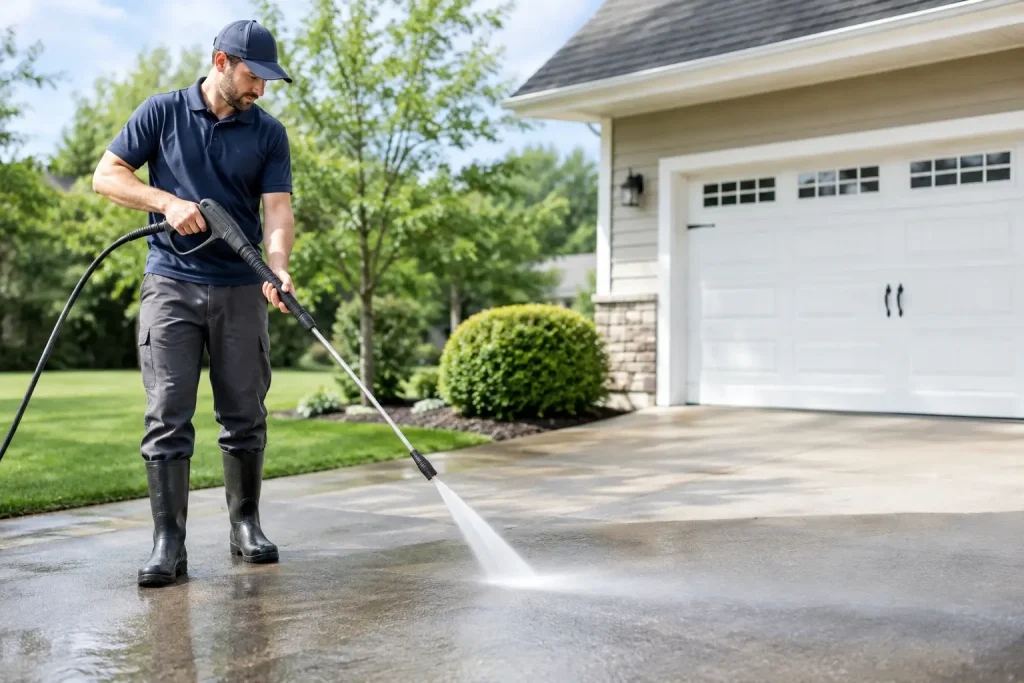
A driveway can look like a simple cleaning job until oil has settled into the concrete, irrigation stains have built up along the edges, and dirty runoff has nowhere appropriate to go. That is why pressure washing costs can vary more than many property owners expect. A meaningful quote is not just about the number of square feet. It reflects the surface being cleaned, the condition it is in, the method required to protect it, and the care taken to leave the property clean without sending contaminants into storm drains.
For homeowners, HOA boards, and commercial property managers, the best question is not simply, “What is the lowest price?” It is, “What work is included, and will it protect the property?” A lower estimate can become expensive if it damages pavers, strips paint, pushes water under siding, or leaves stains behind that require replacement rather than maintenance.
What Drives Pressure Washing Costs?
Professional exterior cleaning is quote-based for good reason. Two patios with the same dimensions can require very different amounts of labor and equipment. One may need a routine wash, while the other has years of algae, pet staining, rust marks, or embedded grime in its joints.
The first factor is the type and size of the surface. Flat concrete sidewalks, driveways, pool decks, pavers, stucco, roofs, gutters, storefronts, and parking areas all call for different approaches. Large, open concrete areas can often be cleaned efficiently with commercial surface-cleaning equipment. Detailed paver patios, building facades, and exterior common areas typically need more edging, spot treatment, and manual finishing.
Condition matters just as much as size. Fresh dirt may rinse away quickly. Oil stains, tire marks, gum, mildew, oxidation, efflorescence, graffiti, and roof algae need targeted treatment and additional dwell time. A professional should identify what caused the stain before deciding how to remove it. More pressure is not always the answer.
Access also affects the estimate. Gates, steep slopes, tight side yards, upper-story work, parked vehicles, landscaping, outdoor furniture, and active retail foot traffic can add setup time and require a more careful work plan. Commercial properties may need early-morning, evening, or phased service to keep walkways and entrances available for customers and tenants.
Finally, responsible runoff handling can influence the scope of a job. When cleaning oil-marked concrete, parking areas, dumpster pads, or other contaminated surfaces, water recovery may be necessary to capture wastewater rather than allowing it to enter drains. That equipment and labor are part of doing the job responsibly, particularly near sensitive waterways and coastal communities.
Typical Price Ranges and Why They Are Only a Starting Point
National price ranges can be useful for setting expectations, but they should never replace an on-site assessment. Basic residential pressure washing may be priced by square footage, by the service area, or as part of a bundled exterior-cleaning visit. A small concrete patio or walkway may cost a few hundred dollars, while a larger driveway, extensive paver area, roof soft wash, or multi-building HOA project can range much higher.
Commercial pressure washing costs are often based on total area, surface condition, water-recovery requirements, access, scheduling, and frequency of service. A one-time cleaning of a heavily stained shopping-center walkway is different from a recurring maintenance plan for storefronts, common areas, parking lanes, and dumpster enclosures.
Be cautious with one-number estimates provided without questions about the surface or its condition. A contractor who has not asked about oil, algae, roof material, drainage, or access may be planning to use one method for everything. That can create risk for delicate materials and may not solve the underlying cleaning problem.
The Cleaning Method Can Change the Cost – and the Result
Pressure washing is a broad term, but professional cleaning should be surface-specific. Concrete can often tolerate higher-pressure cleaning when it is paired with the correct equipment and stain treatment. Painted surfaces, stucco, vinyl, wood, roof shingles, tile roofs, and many exterior finishes require low-pressure soft washing instead.
Soft washing uses appropriate cleaning solutions and controlled, low-pressure application to remove organic growth without blasting the surface. It may cost more than a quick rinse because it requires product knowledge, proper protection of surrounding plants and fixtures, and careful application. For a roof or building exterior, that additional care is usually far less costly than repairing surface damage.
Paver cleaning and restoration deserve the same attention. Pavers can hold sand, weeds, algae, and dark staining between joints. A proper service may involve cleaning, spot treating, rinsing, and discussing whether joint sand replacement or sealing is appropriate. Those are separate scopes of work, and a clear estimate should explain what is included rather than treating restoration as if it were a basic wash.
What a Fair Quote Should Include
A clear proposal helps property owners compare services on more than price. It should identify the areas to be cleaned, such as the driveway, patio, walkway, roof, gutters, building exterior, or parking area. It should also state whether stain treatment, debris removal, water recovery, furniture moving, or final rinsing are included.
For larger residential, HOA, and commercial work, ask how the crew will protect landscaping, doors, windows, vehicles, and pedestrian areas. Ask whether the provider uses soft washing where needed and what happens with wastewater from contaminated surfaces. These are practical questions, not extras. They speak directly to the quality and accountability behind the estimate.
It is also reasonable to ask whether the company will complete a final walkthrough. Exterior cleaning can reveal missed edges, stubborn spots, or areas that need a second pass. A professional team should inspect the work with the customer or property representative and address concerns before considering the job complete.
When Maintenance Lowers Long-Term Costs
Waiting until every surface looks neglected usually raises the price of cleaning. Organic growth becomes more established, oil penetrates deeper, gutters become packed with debris, and grime can make a well-maintained property appear worn out. Routine service keeps cleaning manageable and helps preserve the materials already in place.
This is especially true for HOA communities and commercial properties. Consistent cleaning of high-traffic sidewalks, breezeways, storefront entries, and concrete common areas supports curb appeal and reduces slip hazards from algae or buildup. Scheduled service can also make budgeting easier because the property is being maintained before it reaches a restoration-level condition.
For homeowners, a maintenance-first approach protects the visible parts of the property that are expensive to replace: roofing, pavers, stucco, concrete, fences, and exterior fixtures. Maintain it, don’t replace it. The right cleaning plan can extend the useful appearance of these surfaces while avoiding unnecessary wear from overly aggressive methods.
How to Get an Accurate Estimate
The fastest way to receive a reliable quote is to provide clear photos and a description of the areas that concern you. Mention stains, drainage issues, gate access, roof type, nearby landscaping, and any scheduling restrictions. For commercial or HOA properties, include whether service must occur outside business hours and whether there are storm drains, parking constraints, or tenant-access considerations.
An on-site assessment is especially valuable for large properties, paver restoration, roof washing, building washing, and concrete with oil or tire staining. It allows the cleaning team to measure the work, identify delicate surfaces, determine whether water recovery is needed, and explain the recommended method before service is scheduled.
Channel Islands Pressure Washing approaches estimates with that level of care: assess the property, provide a no-obligation quote, complete the work with the right method, and follow up to make sure the results meet expectations. Whether the job is a stained driveway in Camarillo or a high-traffic commercial walkway in Ventura County, the goal is the same – cleaner surfaces, protected materials, and responsible water use.
A fair price should leave you confident that the work will restore your property without creating a new problem. Before choosing a provider, look beyond the bottom-line number and make sure the quote reflects the condition of your surfaces, the protection they need, and the standard of care your property deserves.