
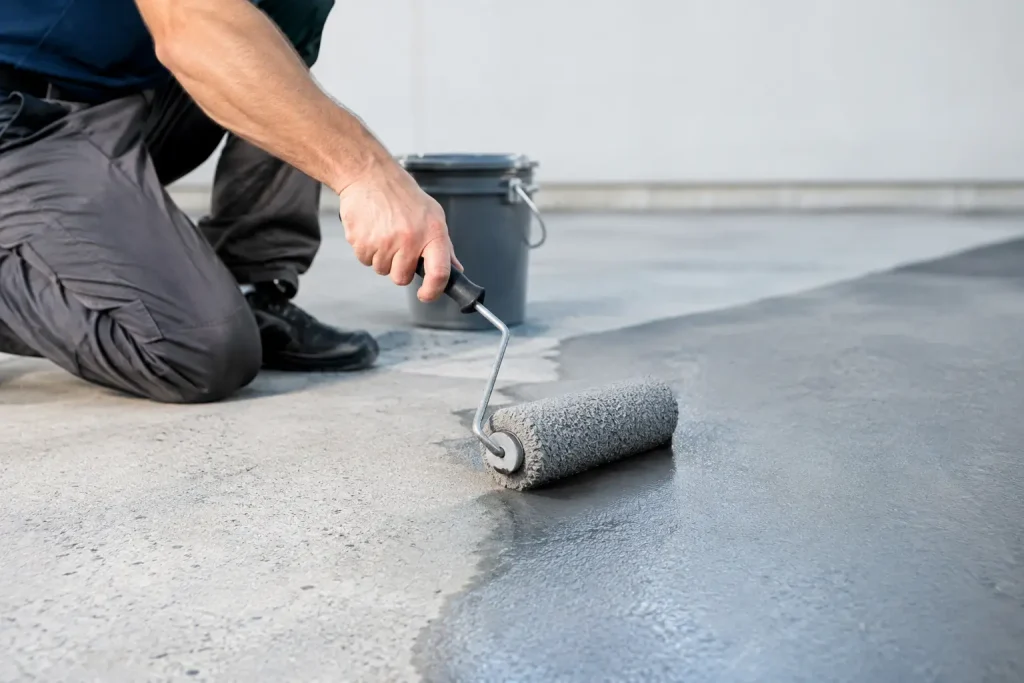
A dark driveway, slippery walkway, stained pavers, or streaked roof can make a well-kept property look neglected long before anything is actually broken. Surface restoration addresses that gap. It removes the buildup that changes how exterior materials look and perform, while helping property owners avoid the far greater expense of replacing surfaces that can still be maintained.
For homes, HOAs, retail centers, and commercial properties, the right cleaning method is not simply about making dirt disappear. It is about matching the treatment to the material, controlling runoff, and preserving the finish beneath the stain. That is especially relevant along the Southern California coast, where moisture, dust, irrigation overspray, vehicle traffic, and organic growth can leave their mark year-round.
What Surface Restoration Actually Means
Surface restoration is the careful cleaning and treatment of exterior materials to improve their appearance, safety, and usable life. It may involve pressure washing concrete, low-pressure washing a building exterior, removing oil from a parking area, cleaning and re-sanding pavers, or soft washing a roof where high pressure could cause damage.
The word “restoration” should be used honestly. Cleaning can remove grime, algae, mildew, tire marks, mineral deposits, and many stains. It cannot always erase permanent discoloration, deep rust damage, failed coatings, crumbling concrete, or pavers that have shifted because of a base problem. A professional site assessment helps separate what can be cleaned from what needs repair or replacement.
That distinction matters. Applying more pressure to a stain that will not lift does not improve the result. It can scar concrete, strip paint, loosen joint sand, etch sensitive stone, or drive water where it does not belong. Good restoration work relies on the right combination of cleaning solution, dwell time, water pressure, temperature, agitation, and detailed finishing.
Why Maintenance Beats Replacement
“Maintain it, don’t replace it!” is more than a convenient message. Replacing a driveway, patio, walkway, or roof component can mean disruption, material costs, labor costs, and a longer project timeline. Regular exterior cleaning helps protect the investment already in place.
On concrete, grime and vehicle residue can hide trip hazards, cracks, and areas of wear that need attention. On pavers, organic buildup and compacted dirt can dull the color and allow weeds to establish in the joints. On roofs and siding, algae and mildew create an unclean appearance and may hold moisture against the surface. Addressing these conditions early keeps routine maintenance from becoming an urgent repair conversation.
There is also a safety benefit. Slick algae on shaded walkways, greasy residue near restaurant service areas, and oil spots in parking spaces are not just cosmetic issues. They can create slip-and-fall concerns and leave visitors with the impression that the property is not being cared for. For property managers and HOA boards, a consistent cleaning plan can help maintain community standards without waiting for complaints to pile up.
Surface Restoration Starts With the Material
Not every exterior surface should be cleaned the same way. The most effective approach depends on the age, condition, finish, drainage, stain type, and surrounding landscaping.
Concrete and Driveways
Concrete cleaning often requires professional pressure washing combined with pretreatment for oil, tire marks, rust, or organic staining. The goal is to lift contamination from the pores without leaving visible striping or causing surface damage. Older concrete may already have exposed aggregate or weakened areas, so pressure and cleaning products must be adjusted accordingly.
Oil stains deserve particular attention. Fresh oil is usually easier to treat than a stain that has baked into concrete for months or years. A degreaser and controlled agitation can improve results, but deep oil penetration may leave a faint shadow even after professional treatment. Clear expectations are part of responsible service.
Pavers, Patios, and Walkways
Paver cleaning can dramatically improve an entryway, pool deck, patio, or common area. Dirt collects in textured surfaces and joints, while weeds, moss, and algae can make the installation look older than it is. Careful cleaning removes buildup without blasting away excessive joint material or destabilizing the pavers.
For paver restoration, cleaning may be followed by joint-sand replacement when appropriate. If sealing is being considered, the surface must first be fully cleaned and dried, and any drainage or settling concerns should be addressed before applying a finish. A sealer can enhance color and simplify future maintenance, but it is not a cure for loose pavers, failed edging, or poor water flow.
Roofs, Stucco, and Delicate Exteriors
A roof or stucco wall is not a driveway. High pressure can damage shingles, dislodge granules, force water behind siding, or leave scars on painted and delicate finishes. These surfaces often call for soft washing, which uses low pressure and surface-appropriate cleaning solutions to treat organic growth safely.
Soft washing is particularly useful for dark roof streaks, mildew on stucco, and buildup around shaded exterior walls. The work should be performed with attention to landscaping, windows, drainage points, and nearby surfaces. Thorough rinsing and protection of surrounding areas are not optional details. They are part of doing the job correctly.
Water Recovery Is Part of Responsible Cleaning
When exterior surfaces are washed, the runoff can carry oil, soap, sediment, algae, and other contaminants toward storm drains. That runoff does not simply disappear. It can enter local waterways and create avoidable environmental concerns.
For commercial sites, parking lots, shopping centers, dumpster pads, and heavily soiled concrete, water recovery is especially valuable. A closed-loop recovery system captures used water for proper handling rather than allowing contaminated runoff to travel across the property. It also supports more responsible water use, an important consideration in Southern California.
This approach benefits the property owner as well. A cleaning crew that plans for runoff is less likely to leave dirty water pooled near entries, flowing into landscaped areas, or creating problems for neighboring tenants. Responsible cleaning is both environmental care and practical site management.
Signs It Is Time to Schedule Service
Exterior buildup develops gradually, so it is easy to overlook until the property suddenly appears much dirtier than expected. It may be time for professional surface restoration when you notice:
- Dark algae or mildew on walkways, walls, roofs, or shaded patios
- Oil spots, tire marks, gum, or tracked-in grime on concrete
- Faded-looking pavers, weeds in joints, or slippery patio surfaces
- Dirty stucco, splash marks, cobweb buildup, or discoloration around gutters
- Tenant, resident, customer, or visitor complaints about curb appeal or safety
For many properties, annual cleaning is a good starting point. High-traffic commercial areas, buildings near busy roads, heavily shaded homes, and communities with large common areas may need service more often. The right schedule depends on conditions, not a one-size-fits-all calendar.
What a Professional Visit Should Look Like
A dependable service process begins before equipment arrives. The first step is a site assessment to identify the surface type, staining, access points, water needs, drainage, and any areas requiring special care. That allows the contractor to provide a clear, no-obligation estimate rather than guessing from a distance.
Next comes scheduling around the property’s needs. For a retail center or HOA, that may mean working around foot traffic, resident parking, delivery windows, or tenant hours. For a homeowner, it may mean protecting outdoor furniture, vehicles, pets, and landscaping before work begins.
During cleaning, professional equipment matters, but so does the operator. Detailed manual work around edges, corners, entryways, and stubborn spots is often what separates an acceptable result from a finished-looking property. A final walkthrough gives the customer a chance to review the work, ask questions, and discuss practical maintenance recommendations.
Channel Islands Pressure Washing approaches exterior care with that level of attention, combining surface-specific cleaning methods with recovered-water practices where needed. The objective is straightforward: leave the property cleaner, safer, and better protected without creating unnecessary damage or runoff concerns.
A cleaner exterior changes how a property feels before anyone walks through the door. If stains, growth, or traffic buildup are starting to distract from your home or commercial site, schedule an assessment while cleaning is still the practical solution.