
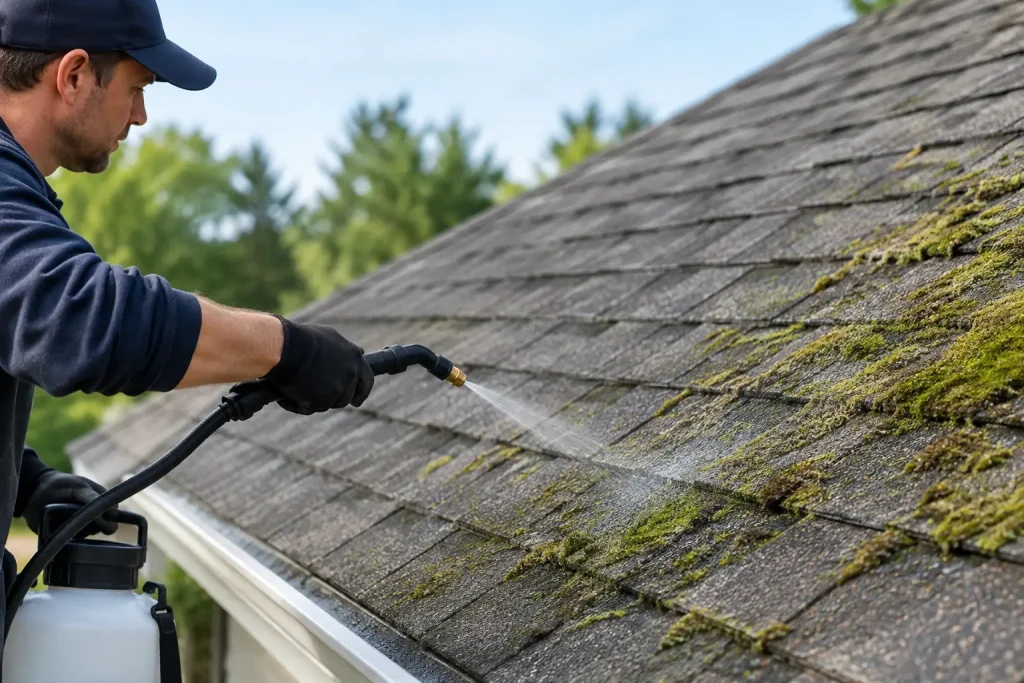
A few green patches near a roof edge can turn into a bigger maintenance issue faster than most property owners expect. To prevent roof moss, the goal is not to blast the roof clean once and forget it. It is to remove the damp, shaded conditions that let moss take hold while using a cleaning method that protects the roof, landscaping, and surrounding waterways.
Moss is especially common where roofs stay cool and damp: beneath overhanging trees, along north-facing slopes, behind chimneys, and near clogged gutters. In coastal Southern California, morning moisture, marine air, shade, and airborne debris can create the right environment even when the weather feels mostly dry. Addressing the cause early helps maintain curb appeal and can reduce the risk of premature roof wear.
Why Roof Moss Is More Than a Cosmetic Problem
Moss is a living plant with small root-like structures that cling to the roof surface. On asphalt shingles, it can lift shingle edges as it grows, allowing water and debris to collect beneath them. That does not mean every small patch has already damaged the roof, but leaving it in place for years can shorten the useful life of roofing materials.
The problem is often compounded by trapped leaves, pine needles, seed pods, and roof grit. This debris holds moisture against the surface and feeds more growth. On tile roofs, moss may accumulate in overlaps and valleys, restricting drainage and making the roof look neglected. For HOAs, property managers, and commercial owners, visible roof growth can also affect community appearance standards and tenant or customer perception.
Moss is sometimes confused with algae or lichen. Algae often looks like dark streaking, while lichen can appear as flat, crusty green or gray patches. Each calls for care, but the prevention strategy is similar: limit moisture retention, keep drainage clear, and clean the roof with a surface-appropriate process.
Start With the Conditions That Feed Moss
The most dependable way to prevent roof moss is to make the roof less hospitable to it. That begins with regular debris control. Leaves and branches should not be allowed to sit in valleys, around skylights, or near roof penetrations. They trap water, block drainage paths, and create a protected bed where moss can grow.
Gutter maintenance matters just as much. When gutters clog, water can back up at the roof edge and keep the lower courses of shingles or tiles wet for extended periods. Overflow can also stain siding, saturate landscaping, and create slippery areas below. A clean gutter system moves water away from the roof instead of holding it where growth begins.
Tree trimming is another practical step. Branches that hang over a roof drop organic debris and reduce sunlight. Selective trimming can improve air movement and help the roof dry after fog, dew, or rain. The right approach depends on the property, of course. Mature trees provide shade and value, so the answer is not always aggressive cutting. A qualified tree professional can help preserve the tree while reducing direct roof contact and heavy overhang.
Check Drainage After Rain or Heavy Morning Moisture
You do not need to climb onto the roof to spot early warning signs. From the ground, look for persistent dark areas, green buildup near valleys, debris piles at the roof edge, or water spilling over gutters. After rain, walk the property and see whether downspouts are directing water away as intended.
If one section stays wet longer than the rest of the roof, identify why. It may be shade, a blocked gutter, a low area collecting debris, or a drainage issue that needs professional attention. Fixing that condition is often more valuable than repeatedly treating the visible moss alone.
Use the Right Cleaning Method for the Roof
A roof is not a driveway. High-pressure washing can strip protective granules from asphalt shingles, force water beneath roofing materials, crack aging tile, and void certain manufacturer warranties. The quickest-looking method can become the costliest one if it damages a surface that was otherwise serviceable.
For most delicate roofing materials, low-pressure roof soft washing is the safer approach. A trained technician applies an appropriate treatment at controlled pressure, allowing it to break down organic growth instead of trying to scour it away. Remaining growth may release gradually with weathering, depending on the roof material, the severity of buildup, and the treatment used.
Good roof cleaning also requires attention to the areas around the roof. Plants, painted surfaces, exterior fixtures, and runoff paths should be protected. A responsible crew uses the right dilution, manages runoff, and rinses as needed rather than treating cleaning chemicals as someone else’s problem once they leave the property.
Channel Islands Pressure Washing uses surface-specific soft-wash methods and water-recovery practices where applicable to help protect delicate surfaces and keep contaminated runoff out of nearby waterways. That level of care is especially relevant for properties near storm drains, landscaped common areas, and coastal environments.
Can Zinc or Copper Strips Help?
Zinc and copper strips installed near the roof ridge can help limit moss and algae growth on some roofs. When rainwater runs across the metal, it carries trace amounts downward that discourage organic growth. They can be useful as part of a prevention plan, particularly on roof sections with recurring shade and moisture.
They are not a cure-all. The effect is usually strongest directly below the strip and may be uneven on wide roof planes. They also do not replace gutter clearing, debris removal, or proper cleaning. Before installation, consider the roof material, local runoff concerns, existing warranty requirements, and whether the roof is nearing replacement age. A roofing professional can advise whether strips are appropriate for the specific system.
Build a Maintenance Schedule That Fits the Property
Roof moss prevention works best as routine property care, not an emergency response. The exact timing depends on tree coverage, roof orientation, material, and local moisture conditions. A heavily shaded home may need closer attention than a sunny building with clear rooflines.
For many properties, a visual roof-and-gutter check twice a year is a sensible starting point. Add another inspection after major wind events or when nearby trees drop seasonal debris. Commercial properties and HOA communities may benefit from scheduled exterior maintenance because small issues across multiple buildings can become difficult and expensive to coordinate later.
A practical maintenance plan generally includes these four tasks:
- Clear gutters, downspouts, valleys, and roof-edge debris before buildup holds moisture.
- Trim back roof-adjacent branches to improve drying and reduce leaf accumulation.
- Schedule gentle professional treatment when moss, algae, or lichen first becomes visible.
- Document recurring trouble spots so future inspections focus on the areas most likely to need attention.
This approach supports the maintenance-first principle: maintain it, don’t replace it. Cleaning cannot repair a roof with failing underlayment, broken tiles, or worn shingles, but timely care can help a sound roof stay cleaner and perform better for longer.
When to Call a Professional
Avoid climbing onto a wet, steep, fragile, or visibly deteriorated roof. Moss makes surfaces slick, and an improper cleaning attempt can cause personal injury or expensive damage. Call a qualified roof professional if you see missing shingles, cracked tiles, loose flashing, interior leaks, sagging areas, or heavy moss that has grown beneath roofing edges.
For routine organic buildup, professional roof soft washing is often the right next step. Ask how the provider protects landscaping, manages runoff, and adjusts the method for asphalt shingles, concrete tile, clay tile, or other roof materials. Clear answers before work begins are a good sign that the service is designed to preserve the property, not simply make it look cleaner for a day.
A clean roof starts with smart prevention, but it stays that way through consistent attention. Clear the debris, keep water moving, protect shaded areas, and choose low-pressure care when cleaning is needed. Your roof should be maintained with the same care you expect from every other major part of your property.